Korean Bibimbap
Highlighted under: Cultural Recipes
Korean Bibimbap is a vibrant and nutritious dish that combines rice, vegetables, and meat, topped with a fried egg and spicy gochujang sauce.
Korean Bibimbap is more than just a meal; it's a culinary experience that showcases the essence of Korean cuisine. Each ingredient is carefully selected to provide a balance of flavors and textures, making it a beloved dish both in Korea and around the world.
Why You Will Love This Recipe
- A colorful medley of fresh vegetables
- Rich and savory flavors that bring comfort
- Customizable to suit any dietary preference
The Essence of Bibimbap
Bibimbap is more than just a meal; it's a celebration of color, flavor, and nutrition on a plate. Originating from Korea, this dish has captured the hearts of food lovers around the world. The name 'bibimbap' translates to 'mixed rice,' which perfectly describes the harmony of ingredients that come together to create a satisfying experience. Each element contributes to a delicious balance of textures and tastes, from the crunch of fresh vegetables to the savory richness of the meat.
One of the defining characteristics of bibimbap is its versatility. You can tailor it to your tastes and dietary needs by swapping out proteins for plant-based alternatives or adjusting the vegetable mix according to the season. This makes it not only a delightful dish to enjoy but also a practical choice for families with varying preferences. Whether you're a meat lover or a vegetarian, bibimbap can easily adapt to suit your cravings.
Nutritional Benefits
Korean Bibimbap is a nutrient-packed dish that combines a variety of vegetables, lean proteins, and wholesome grains. The base of short-grain rice provides energy through carbohydrates, while the assortment of vegetables like spinach, carrots, and zucchini delivers essential vitamins and minerals. Each ingredient is chosen not just for flavor but also for its health benefits, making bibimbap a balanced meal that fuels your body.
Additionally, the inclusion of gochujang adds a unique kick to the dish. This Korean chili paste is not only flavorful but also contains health benefits, such as aiding digestion and boosting metabolism. By enjoying a bowl of bibimbap, you're treating yourself to a dish that's as good for your taste buds as it is for your overall well-being.
Perfect Pairings and Serving Suggestions
When it comes to serving bibimbap, the possibilities are endless. While the traditional version often includes beef, you can easily experiment with various proteins like chicken, shrimp, or tofu. For a heartier meal, consider adding a side of kimchi, a staple in Korean cuisine known for its probiotic qualities. This spicy fermented cabbage complements the flavors of bibimbap beautifully, enhancing the overall dining experience.
Another great pairing is a simple cucumber salad dressed with sesame oil and vinegar. This refreshing side dish adds crunch and a burst of acidity that balances the richness of the bibimbap. Don't forget to serve your bibimbap with a small bowl of miso soup for a comforting meal that warms the soul.
Ingredients
For the Bibimbap
- 2 cups cooked short-grain rice
- 1 cup spinach, blanched and chopped
- 1 carrot, julienned
- 1 zucchini, julienned
- 1 cup bean sprouts, blanched
- 100g beef, thinly sliced (or tofu for vegetarian option)
- 2 eggs
- 2 tablespoons gochujang (Korean chili paste)
- 1 tablespoon sesame oil
- 1 tablespoon soy sauce
- Sesame seeds for garnish
Instructions
Prepare the Ingredients
Start by cooking the rice according to package instructions. Prepare all vegetables by washing, peeling, and cutting them as specified.
Cook the Beef
In a skillet over medium heat, add sesame oil and sauté the beef until browned. Add soy sauce and cook for an additional 2 minutes. Remove and set aside.
Fry the Eggs
In the same skillet, crack the eggs and fry them sunny-side up until the whites are set but the yolks remain runny.
Assemble the Bibimbap
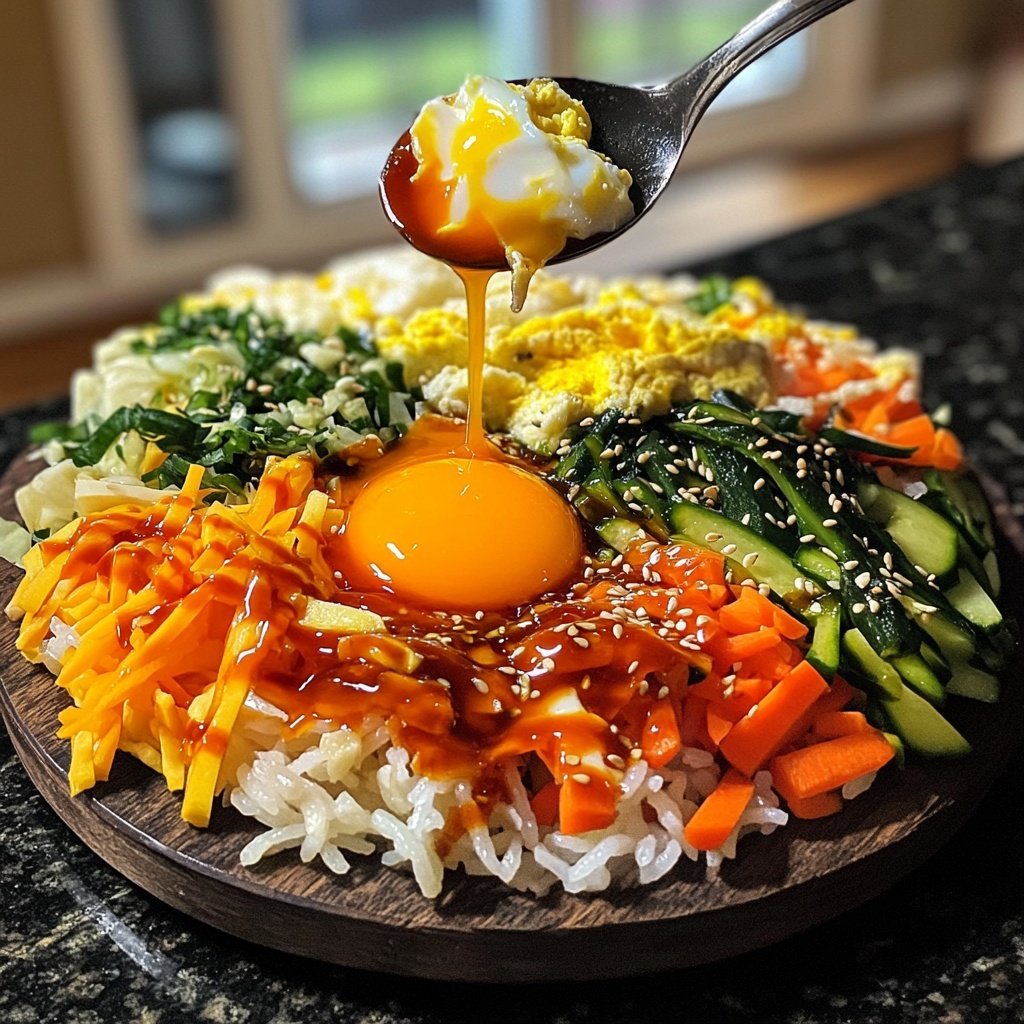
In a bowl, place a serving of rice at the bottom. Arrange the cooked beef, spinach, carrot, zucchini, and bean sprouts on top of the rice. Place the fried egg in the center and drizzle with gochujang.
Serve
Garnish with sesame seeds and serve immediately. Mix everything together before eating for the best flavor!
Pro Tips
- Feel free to add or substitute vegetables based on your preference. For a vegetarian option, replace beef with tofu or mushrooms.
Tips for the Best Bibimbap
To ensure your bibimbap is as delicious as possible, choose the freshest ingredients you can find. Opt for seasonal vegetables, as they will have the best flavor and texture. If you're using meat, consider marinating it for a few hours to enhance its taste. A simple marinade of soy sauce, garlic, and sesame oil can add depth to your protein and make a significant difference.
Another tip is to cook your vegetables separately. This method allows each vegetable to retain its unique flavor and texture, preventing them from becoming mushy. Sautéing or steaming each vegetable briefly preserves their vibrant colors and nutritional value, making your bibimbap not only beautiful but also a healthy option.
Storing and Reheating Leftovers
If you have leftover bibimbap, storing it properly is crucial to maintain its flavor and texture. Keep each component separate in airtight containers in the refrigerator. This way, the vegetables will stay crisp, and the rice won't become soggy. They can be stored for up to 3 days, making it a convenient option for meal prep.
When you're ready to enjoy your leftovers, reheat the rice and protein in the microwave or on the stovetop. For the vegetables, a quick sauté will revive their freshness. If you prefer your egg still runny, fry a fresh egg to top your bibimbap just before serving. This ensures that you can enjoy a delicious homemade meal without compromising on quality.
Questions About Recipes
→ Can I make Bibimbap vegan?
Yes! Simply replace the beef with tofu or your favorite plant-based protein and omit the egg.
→ What is gochujang?
Gochujang is a Korean chili paste that adds a unique spicy and slightly sweet flavor to dishes.
→ Can I use brown rice instead of white rice?
Absolutely! Brown rice can be used for a healthier alternative, but cooking times may vary.
→ What if I can't find some of the vegetables?
You can use any vegetables you have on hand! Common substitutes include bell peppers, mushrooms, or radishes.
Korean Bibimbap
Created by: Gillian Sykes
Recipe Type: Cultural Recipes
Skill Level: Intermediate
Final Quantity: 2 servings
What You'll Need
For the Bibimbap
- 2 cups cooked short-grain rice
- 1 cup spinach, blanched and chopped
- 1 carrot, julienned
- 1 zucchini, julienned
- 1 cup bean sprouts, blanched
- 100g beef, thinly sliced (or tofu for vegetarian option)
- 2 eggs
- 2 tablespoons gochujang (Korean chili paste)
- 1 tablespoon sesame oil
- 1 tablespoon soy sauce
- Sesame seeds for garnish
How-To Steps
Start by cooking the rice according to package instructions. Prepare all vegetables by washing, peeling, and cutting them as specified.
In a skillet over medium heat, add sesame oil and sauté the beef until browned. Add soy sauce and cook for an additional 2 minutes. Remove and set aside.
In the same skillet, crack the eggs and fry them sunny-side up until the whites are set but the yolks remain runny.
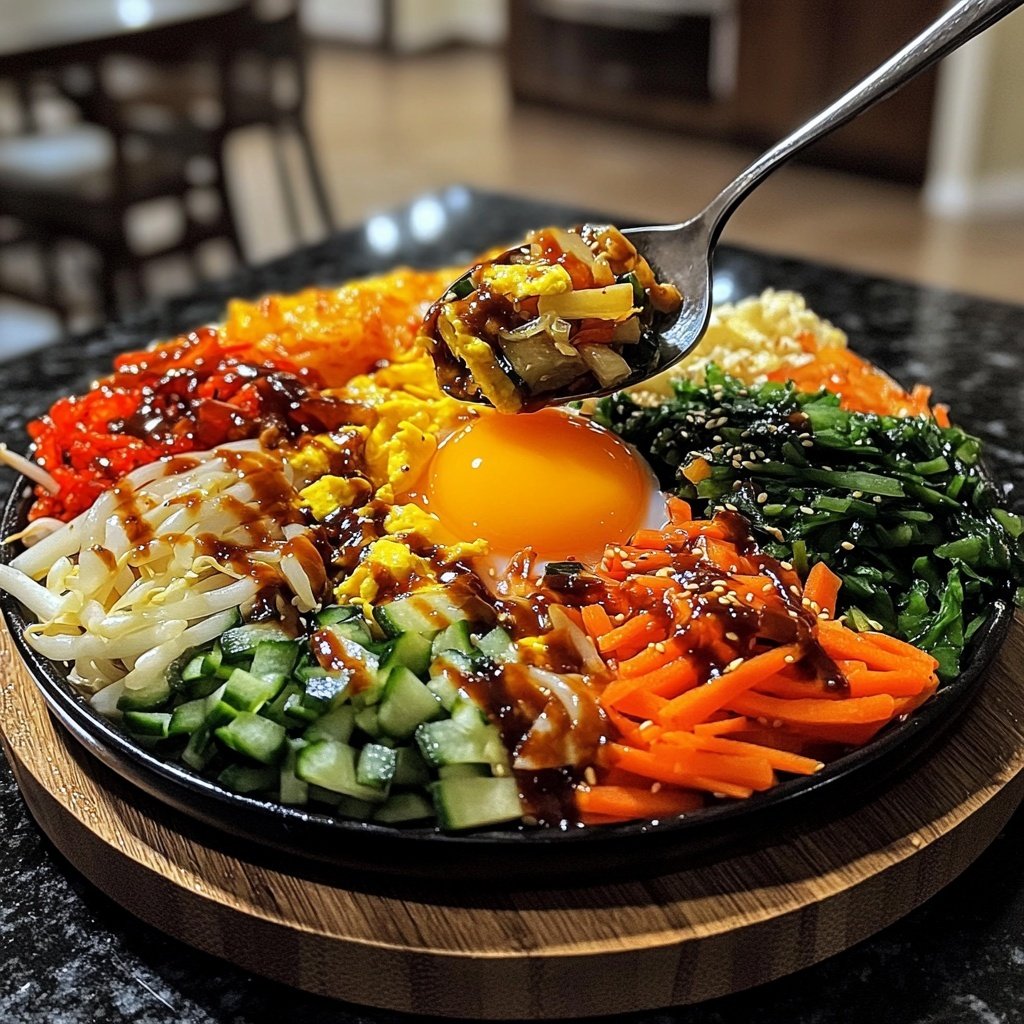
In a bowl, place a serving of rice at the bottom. Arrange the cooked beef, spinach, carrot, zucchini, and bean sprouts on top of the rice. Place the fried egg in the center and drizzle with gochujang.
Garnish with sesame seeds and serve immediately. Mix everything together before eating for the best flavor!
Extra Tips
- Feel free to add or substitute vegetables based on your preference. For a vegetarian option, replace beef with tofu or mushrooms.
Nutritional Breakdown (Per Serving)
- Calories: 550 kcal
- Total Fat: 20g
- Saturated Fat: 5g
- Cholesterol: 200mg
- Sodium: 500mg
- Total Carbohydrates: 70g
- Dietary Fiber: 5g
- Sugars: 4g
- Protein: 20g